

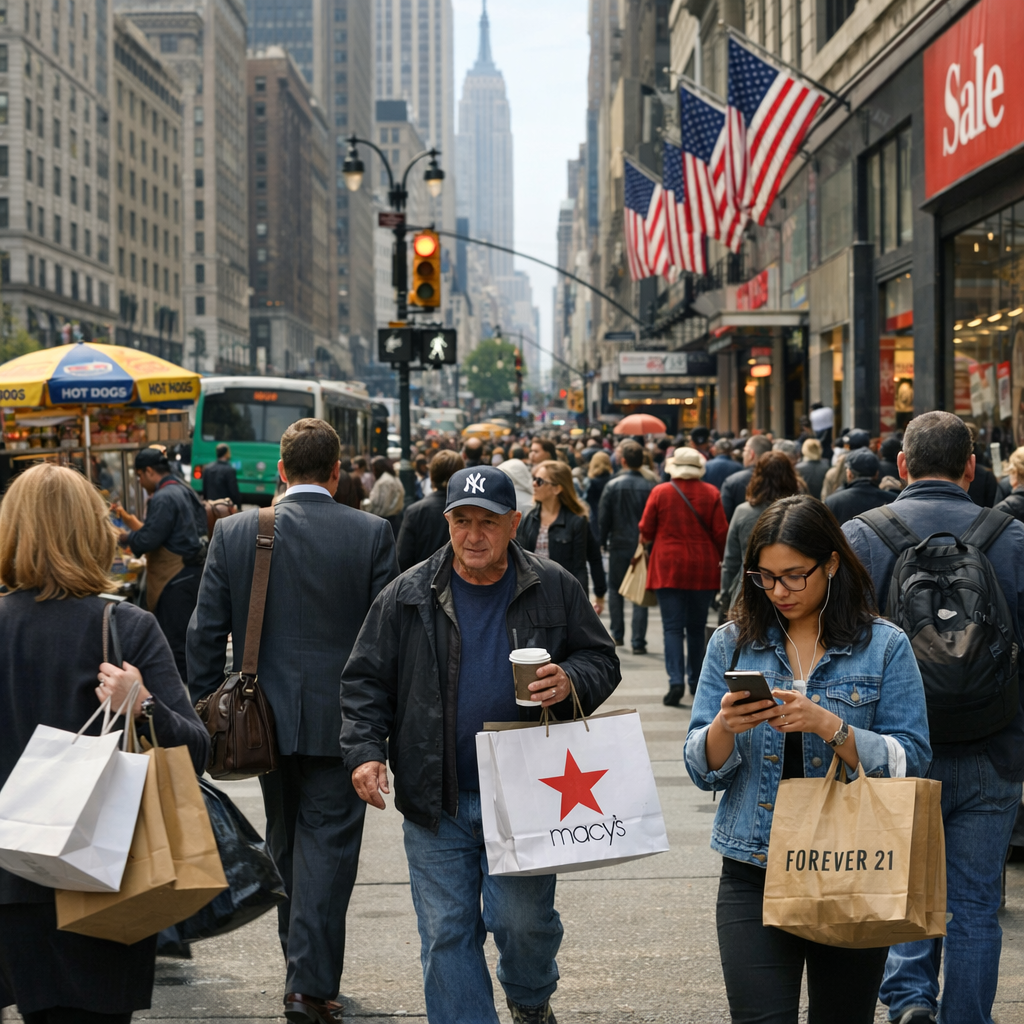
The U.S. economy has recently exhibited a mix of growth and challenges, reflecting a complex economic landscape.
GDP Growth and Consumer Spending
In the second quarter, the economy expanded at a 1.5% annualized rate, a slowdown from the previous quarter’s 2.1% growth. This deceleration is partly attributed to increased imports. However, consumer spending showed resilience, rising by 3.2% annually, indicating continued consumer confidence.
Inflation and Federal Reserve Policies
Inflation remains a concern, with rates still above the Federal Reserve’s 2% target. The Fed has maintained interest rates at 3.6%, though internal debates suggest potential future adjustments to address persistent inflationary pressures.
Housing Market and Mortgage Rates
The housing market faces challenges as the average 30-year fixed mortgage rate climbed to 6.66%, the highest in a year. This increase places additional financial strain on prospective homebuyers and may impact housing affordability.
Impact of Rising Oil Prices
Elevated oil prices, influenced by geopolitical tensions, have led to higher costs for various products beyond gasoline. Items such as clothing, which rely on petrochemicals, have seen price increases, affecting consumer budgets.
Looking Ahead
As the economy navigates these complexities, policymakers and consumers alike must stay informed and adaptable to the evolving economic environment.